Industrial Data Handling
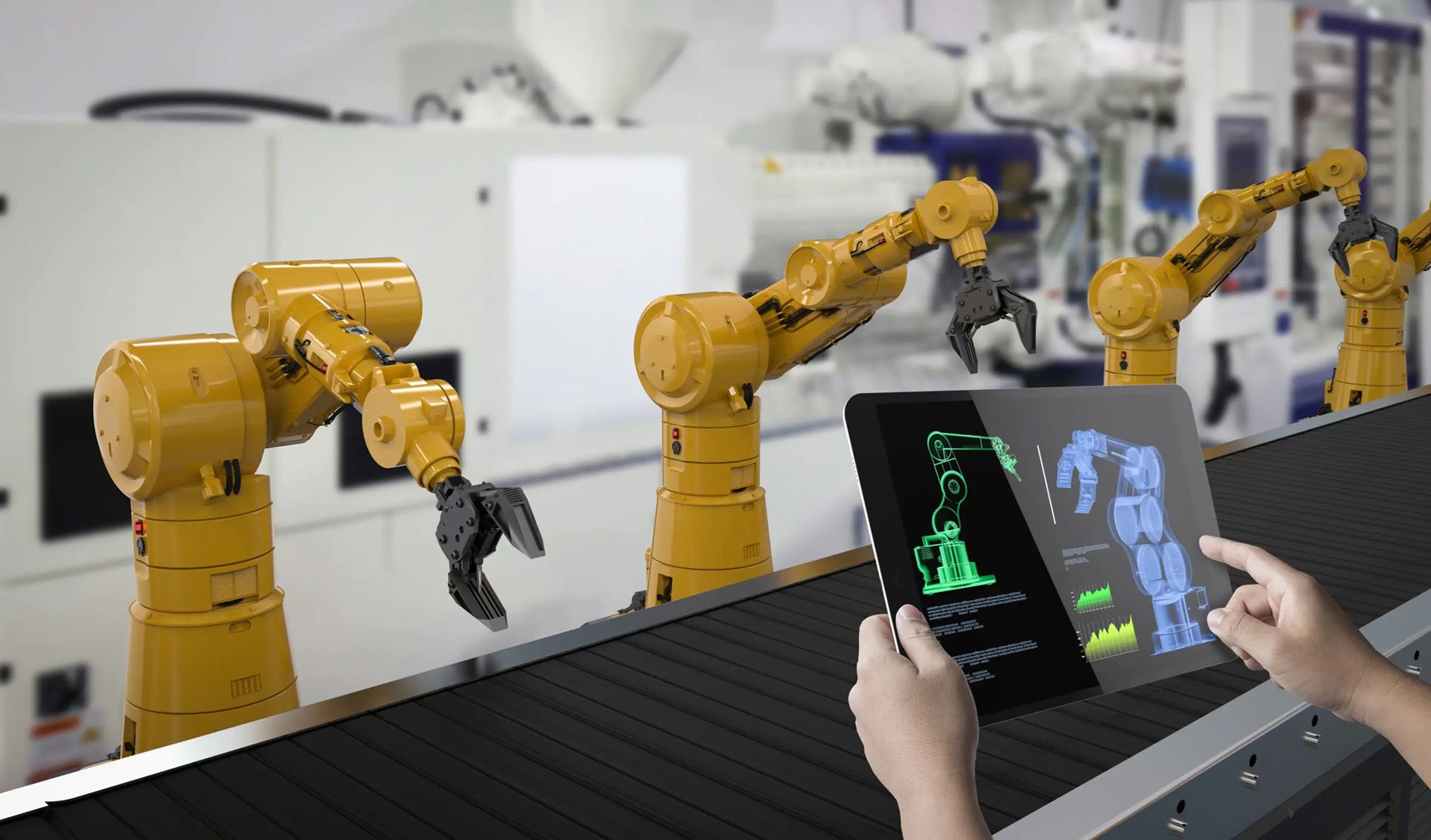
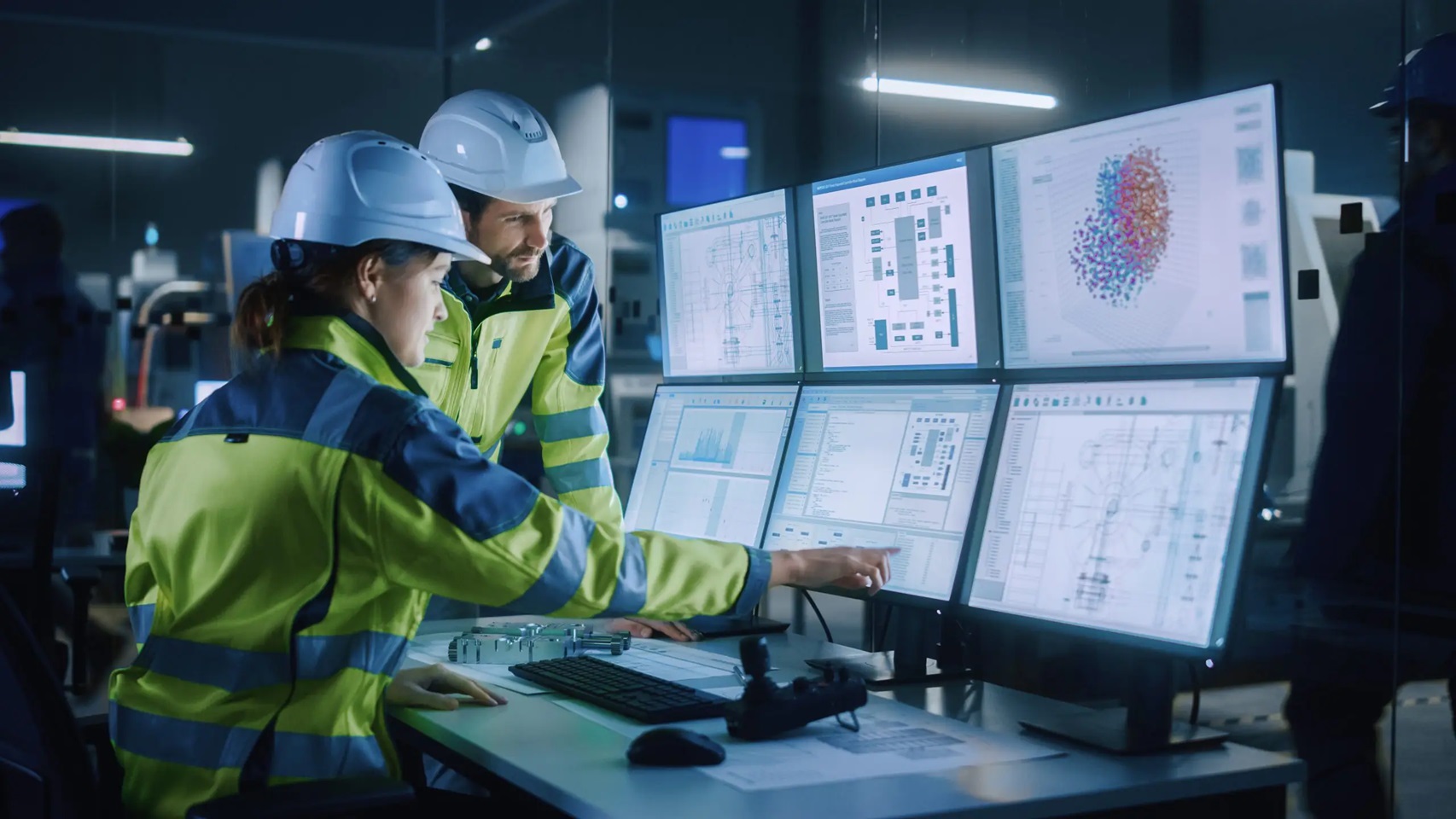
Industrial Data Handling enables the reliable collection, processing, storage, and integration of operational data from industrial equipment and automation systems. This expertise ensures that plant data is captured, structured, and made available for monitoring, analytics, and enterprise integration.
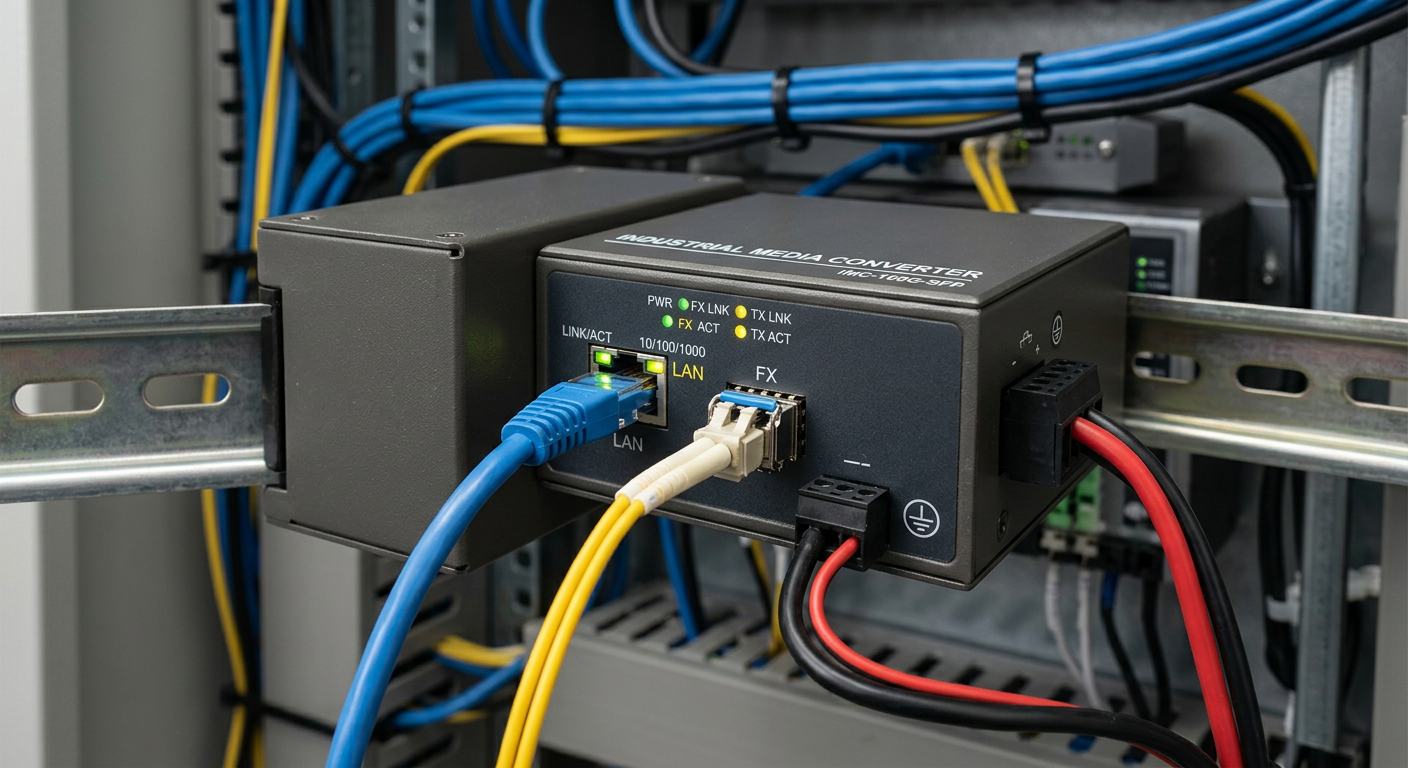
Many industries still use legacy systems with protocols like RS232, RS485, and RS422. These systems do not connect easily to modern networks. Protocol conversion solves this issue. It converts data into Ethernet-based formats. This allows older devices to work with new technologies without replacement.
Protocol mapping is also important. Fieldbus data must be structured for modern communication systems. This ensures smooth integration and reliable data exchange across networks.
Edge gateways play a key role in industrial environments. They connect PLCs, sensors, and automation devices to IT systems. They support data acquisition and protocol translation. These gateways also ensure secure communication between devices. In many cases, they process data near the source. This reduces delay and improves system performance.
Industrial IoT solutions make systems more flexible. Devices can connect to SCADA systems, historians, or cloud platforms. Tools like Python and Node-RED help create simple automation workflows. These workflows process data and trigger actions in real time.
Data structuring is another important step. Raw machine data is often unorganized. It must be cleaned and converted into formats like JSON or XML. The data is then stored in SQL databases for easy access and analysis.
Good industrial data handling improves efficiency and reduces downtime. It supports better communication between systems. Businesses can make faster decisions using accurate data. This leads to smarter operations and better results.